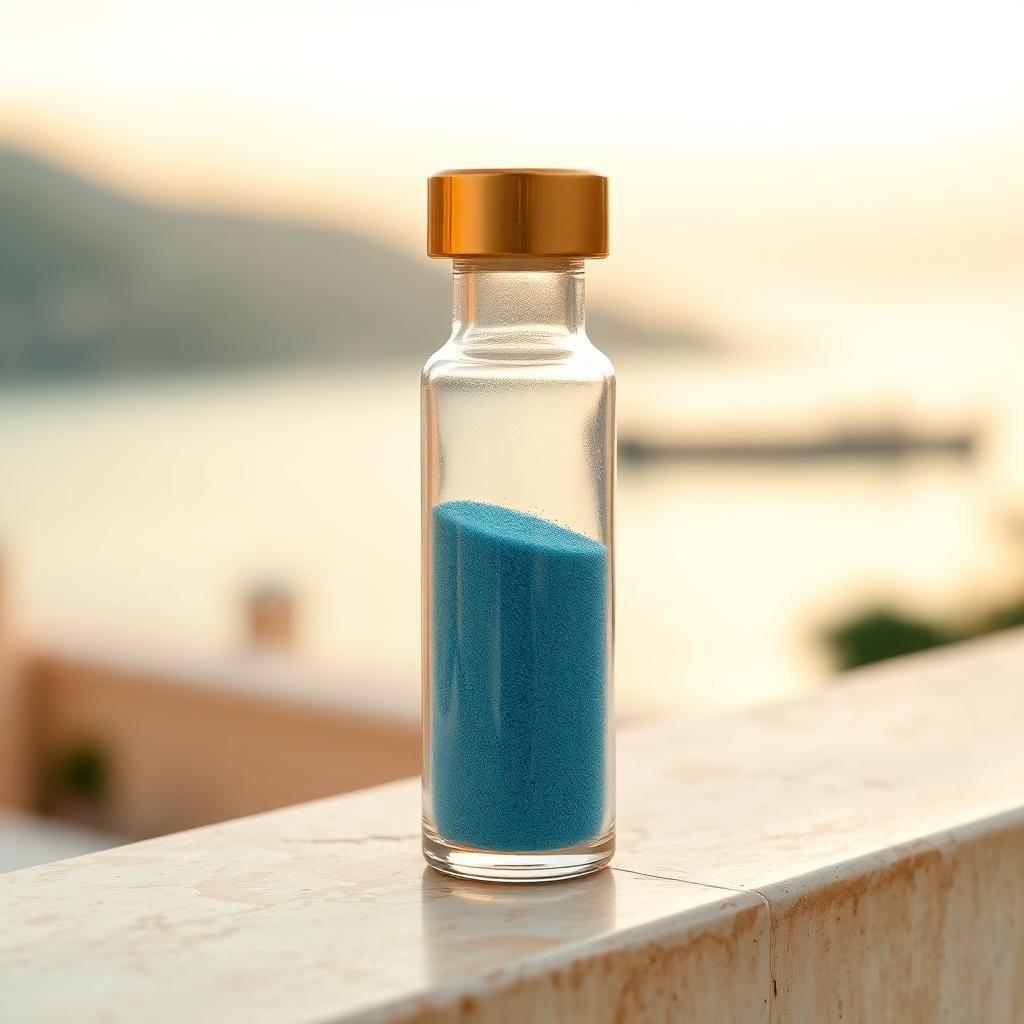
Lyophilised GHK-Cu is a stable material when kept cold, dry and dark. In solution the timeline shortens considerably, and copper complexes add a few failure modes that plain peptides do not have.
Lyophilised storage
Refrigerate unopened vials at 2–8 °C for routine use, or freeze at −20 °C for long-term storage. Keep the vial sealed until use; the powder is hygroscopic and absorbed moisture starts degradation before anything else does.
After reconstitution
Store reconstituted solution at 2–8 °C, protected from light, and treat it as a short-lived material rather than a stock item. Do not freeze reconstituted GHK-Cu — freeze–thaw cycling drives aggregation and measurable loss of active content.
Light and oxidation
UV exposure degrades the histidine residue that coordinates the copper ion. Amber vials or an opaque box solve this at effectively zero cost. Copper also catalyses oxidation, so minimise headspace air and repeated stopper punctures.
Failure modes to watch for
Colour is a useful first signal with GHK-Cu, but it is not an assay. Anything abnormal means discard and go back to the batch record.
- Colour shifting from clear blue toward green, brown or colourless
- Visible particulates or persistent cloudiness
- Powder that has caked into a hard glassy mass or looks wet
- Vials with no reconstitution date recorded
Sources & references
Educational content only. Nothing here is medical advice, and no KUULPEPS product is offered to diagnose, treat, cure or prevent any condition. Products are supplied for laboratory research use only.
Parent topic
More on biohacking
Biohacking is measurement plus disciplined iteration. Guess less, log more, and know which tier of evidence you are standing on.